


Economía lineal vs. Economía Circular
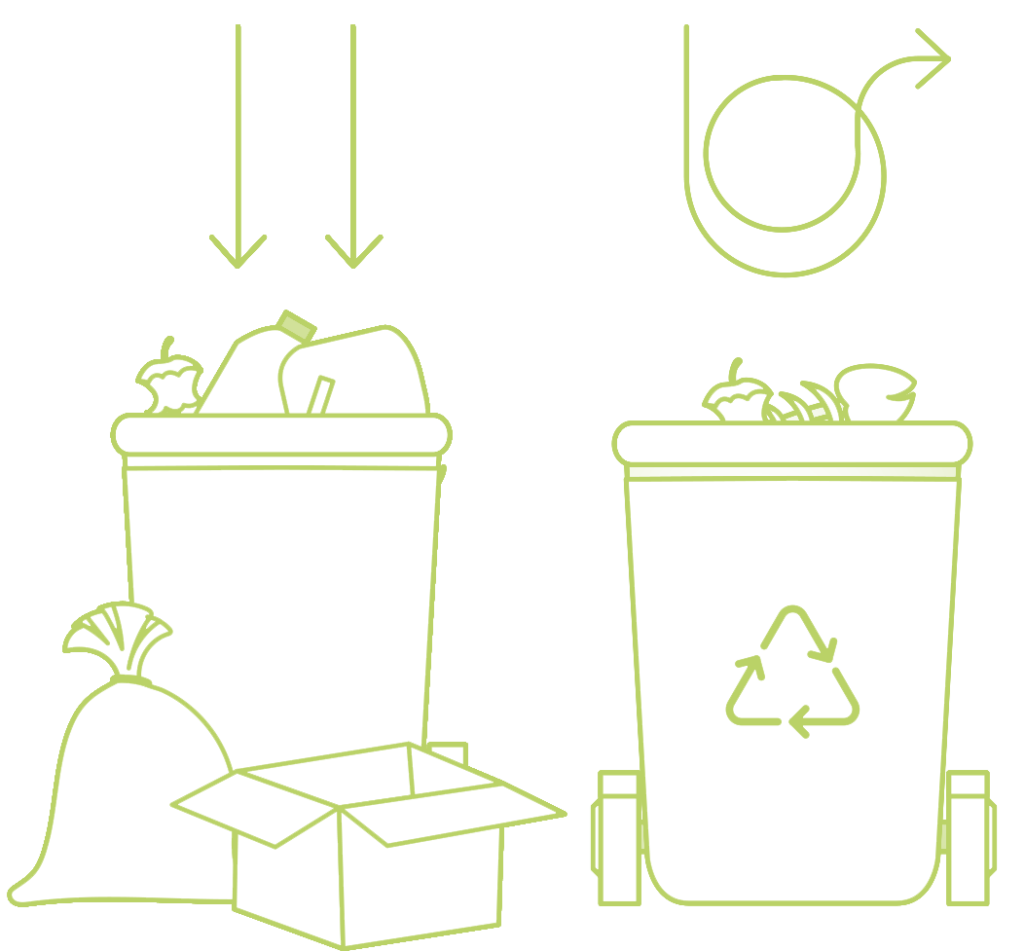
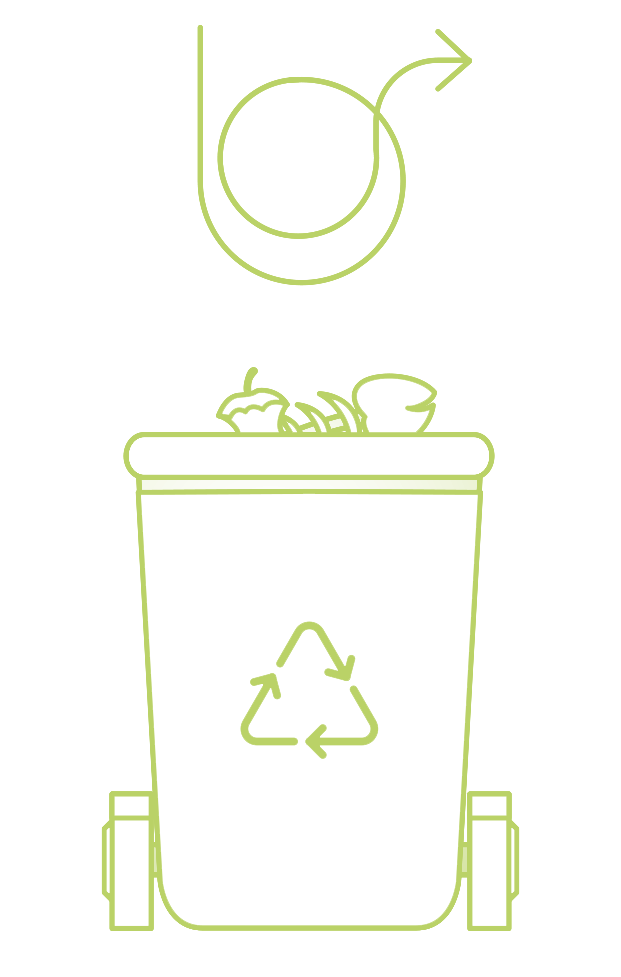
La economía circular tiene como objetivo la producción de bienes y servicios al tiempo que reduce el consumo y el desperdicio de materias primas, agua y fuentes de energía. Ofrece oportunidades para crear bienestar, crecimiento y empleo, al tiempo que reduce las presiones medioambientales.
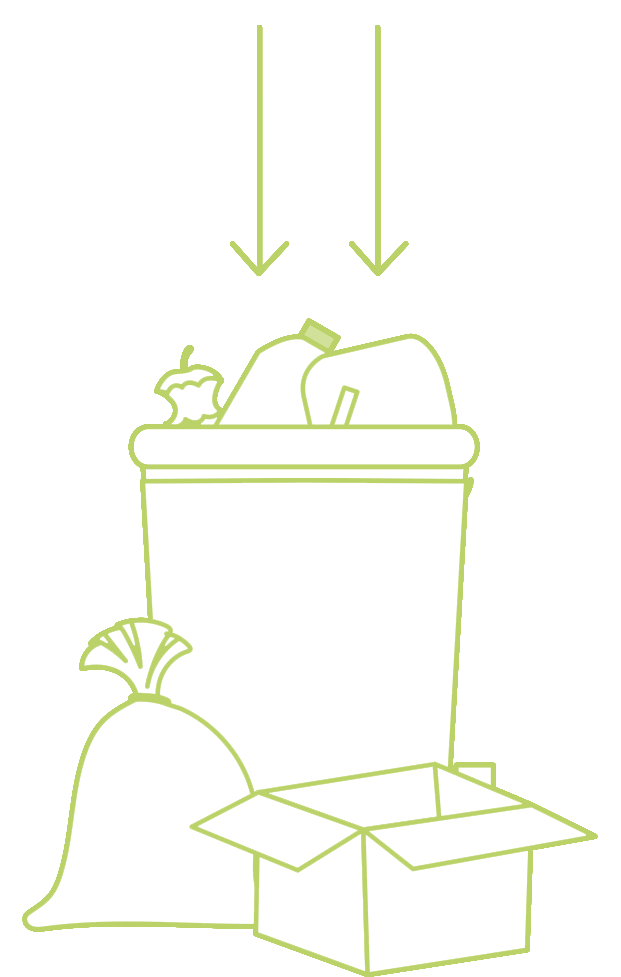
El actual modelo de crecimiento “lineal” se basan en el concepto de “producir, usar y tirar” y en el consumo masivo de recursos naturales. Únicamente en Europa se ha estimado que el 90% de las materias primas utilizadas en la fabricación se convierten en residuos antes de que hayan salido de la fábrica, mientras que el 80% de los productos fabricados se desechan en los primeros seis meses.
Linear Economy vs. Circular Economy
The circular economy aims to produce goods and services while reducing the consumption and waste of raw materials, water, and energy sources. It offers opportunities to create well-being, economic growth, and employment, while at the same time reducing environmental pressures.
The current linear growth model is based on the concept of “take, make, and dispose” and on the intensive consumption of natural resources. In Europe alone, it has been estimated that 90% of the raw materials used in manufacturing become waste before products even leave the factory, while 80% of manufactured products are discarded within the first six months of use.
Why the Circular Economy?
The circular economy has emerged as a new social, political, economic, and business paradigm capable of overcoming the limitations associated with the linear model. A new approach that seeks to share, reuse, refurbish, repair, lease, and recycle materials in order to maximize their value for as long as possible.
This circular system extends the lifecycle of products, generating broad benefits such as reducing pressure on the environment, helping to secure the supply of raw materials, enhancing competitiveness, and fostering innovation and economic growth.
“If the world’s population reaches 9.6 billion by 2050, nearly three planets would be required to provide the natural resources needed to sustain current lifestyles.”
United Nations (ONU)
Principles of the Circular Economy
With the circular economy, the goal is to reintegrate, regenerate, and optimize the use of materials, components, and products, while recovering waste either through recycling or by giving it a second life. The circular model is based on a set of principles that address many of the challenges faced by today’s economy regarding resource use and the current economic system.

Preserve
Preserve and Enhance Natural Capital by Managing Finite Stocks and Balancing Renewable Resource Flows.
Optimize
Optimize Resource Yields by Extending the Lifecycle of Products, Components, and Materials in Both Technical and Biological Cycles.
Promote
Promote System Effectiveness through the Development of Innovation and the Elimination of Negative Externalities.
The circular economy can generally be defined as an economic concept closely linked to sustainability, which seeks to make the most efficient use of resources, material flows, and waste in order to create greater efficiency. Companies that implement circular business models demonstrate a strong commitment to sustainable development by adopting or creating business models based on renewability, reuse, repair, upgrading, shared use, and dematerialization.
Rather than focusing solely on cost reduction, companies begin to rethink their products and services, as well as the value propositions they offer to their customers.