


Research and Support for CIEC Madrid
Research into new economic models and the use of technology to create new models.

Promoting the Cradle to Cradle Philosophy
Innovating in design solutions so that the waste generated by the FabLab, CIEC, or the community can become biological or technological “nutrients” that return to the start of the cycle.

Being Part of the FabLab Network
We aim to be a FabLab that is a global benchmark for integrating the circular economy philosophy into our processes and projects.

Building Community Work
FabLabs form a global network of open-access labs where you can create and make almost anything. They are incubators that foster creativity, self-learning, and sharing.
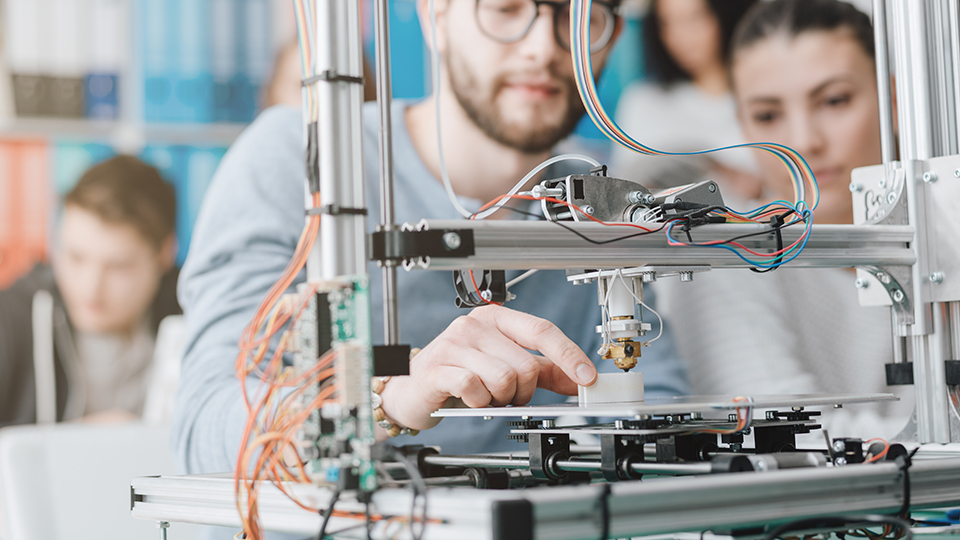
3D Printer
3D printers are run by software installed on computers. Using plastic filament, they can produce almost any real object from a 3D drawing.
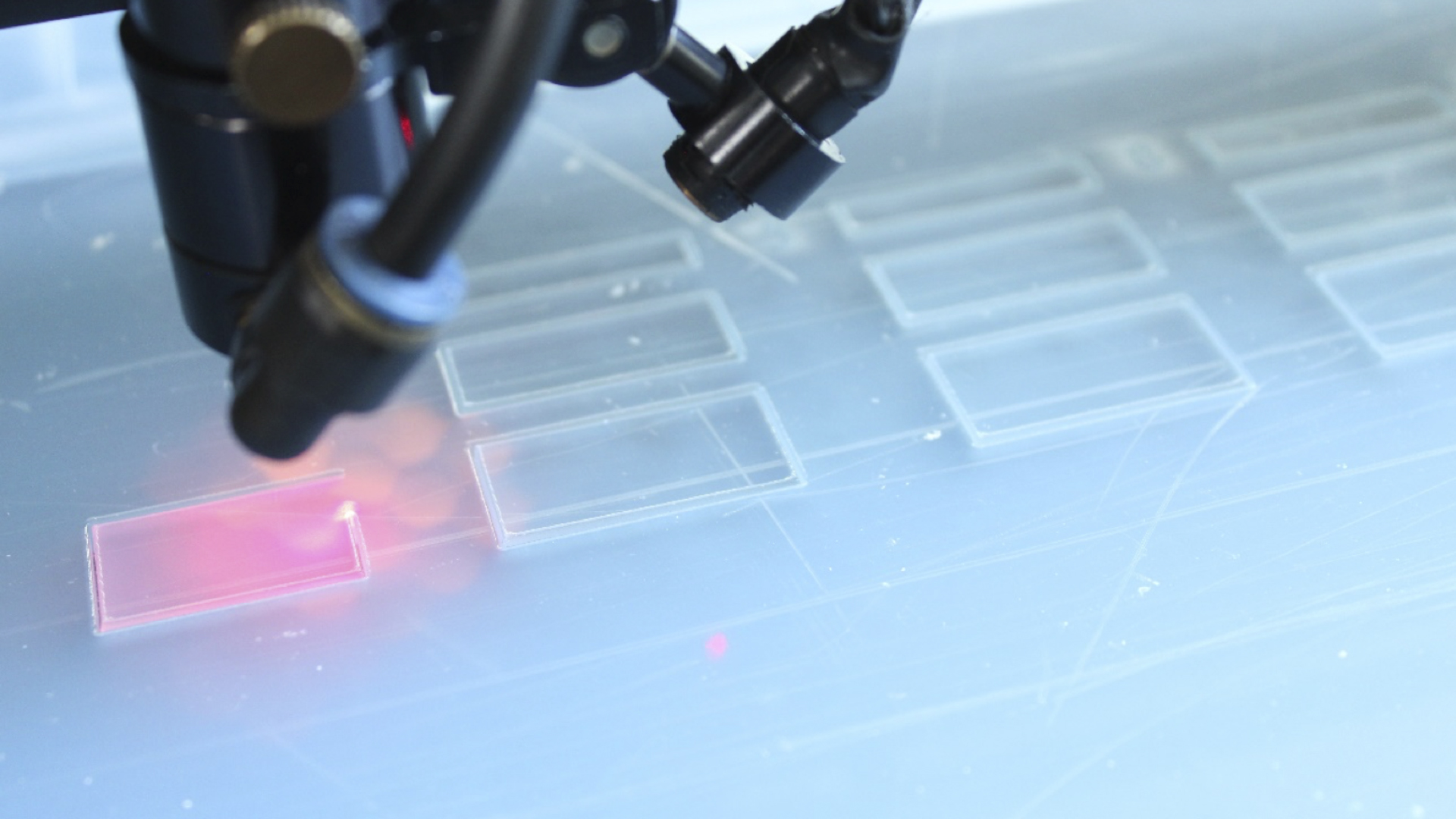
Laser Cutting
CO2 laser cutting machine. Using heat, it can cut different types of materials such as plastic, foam, wood, glass, fabric, or mild steel.
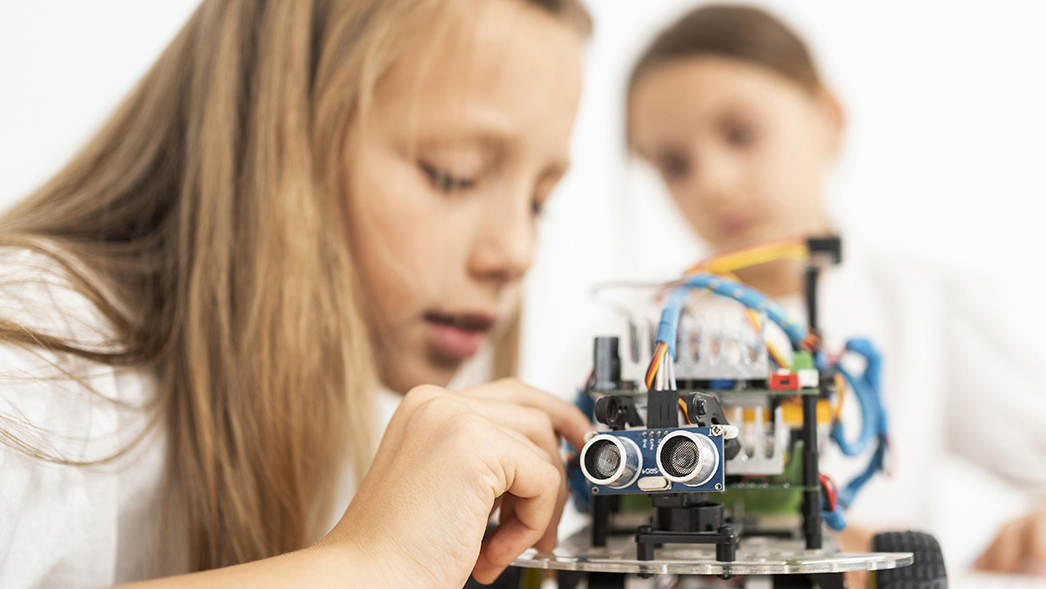
Arduino
Arduino boards are hardware development boards for building digital and interactive devices that can sense and control objects in the real world.
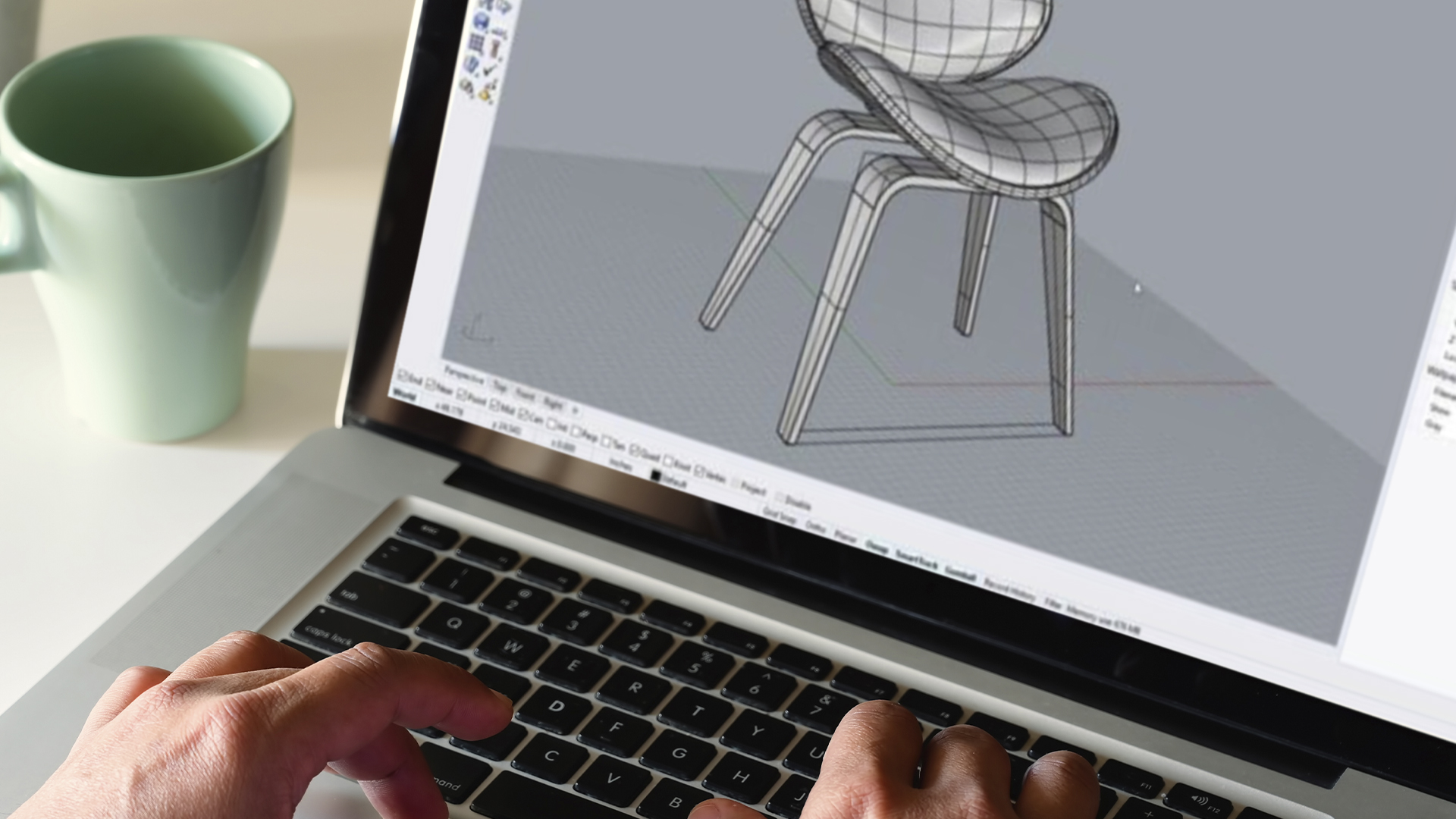
Software and Computers
All the software needed for digital fabrication, 3D design, and programming.

Shared Knowledge
FabLabs form a global network of open-access labs where you can create and make almost anything. They are incubators that foster creativity, self-learning, and sharing.

Open Technology
FabLabs revolve around two socio-technological movements: DIY (do it yourself) and open source, the free flow of information and knowledge. Teaching is based on projects in progress and on peer-to-peer learning.

Community Service
Access must be universal, so that the tools can be used to make almost anything. Self-learning and sharing are encouraged: users should learn on their own and share the use of the lab with other users.



The core mission of the CIEC Madrid FabLab is to build a community of people from different backgrounds around digital fabrication technology and the circular economy, creating a knowledge hub that benefits society and Madrid’s economy. The FabLab is managed by the Universidad Politécnica de Madrid and Sacyr-Valoriza.