


What Is the Circular Economy?

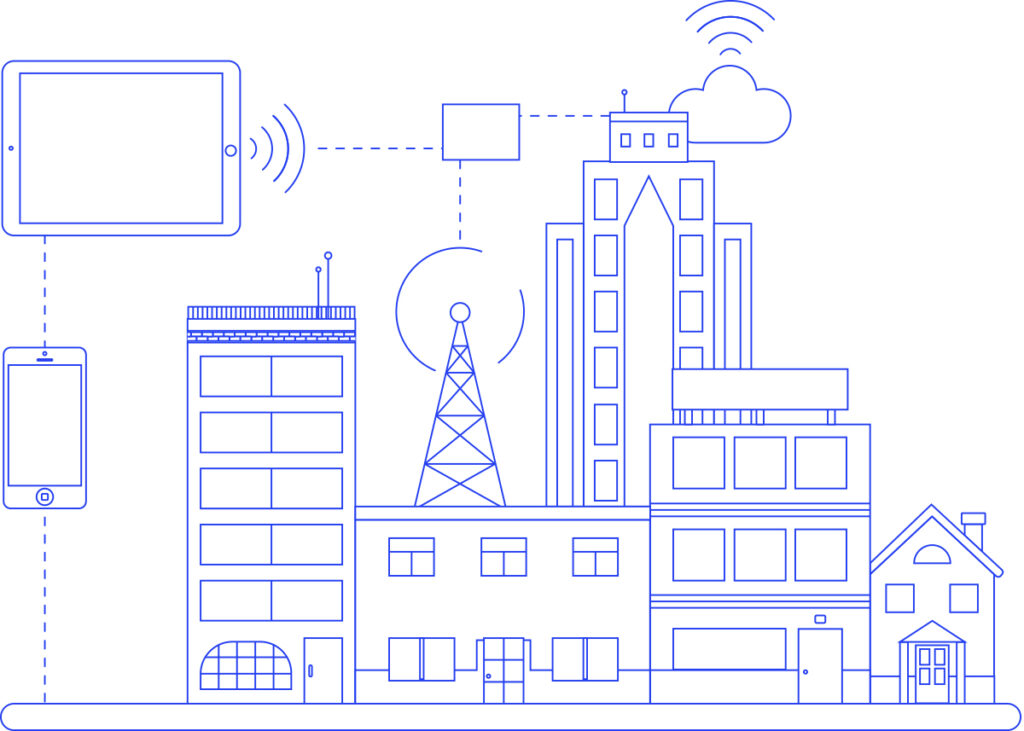
Ilustración de una ciudad inteligente conectada
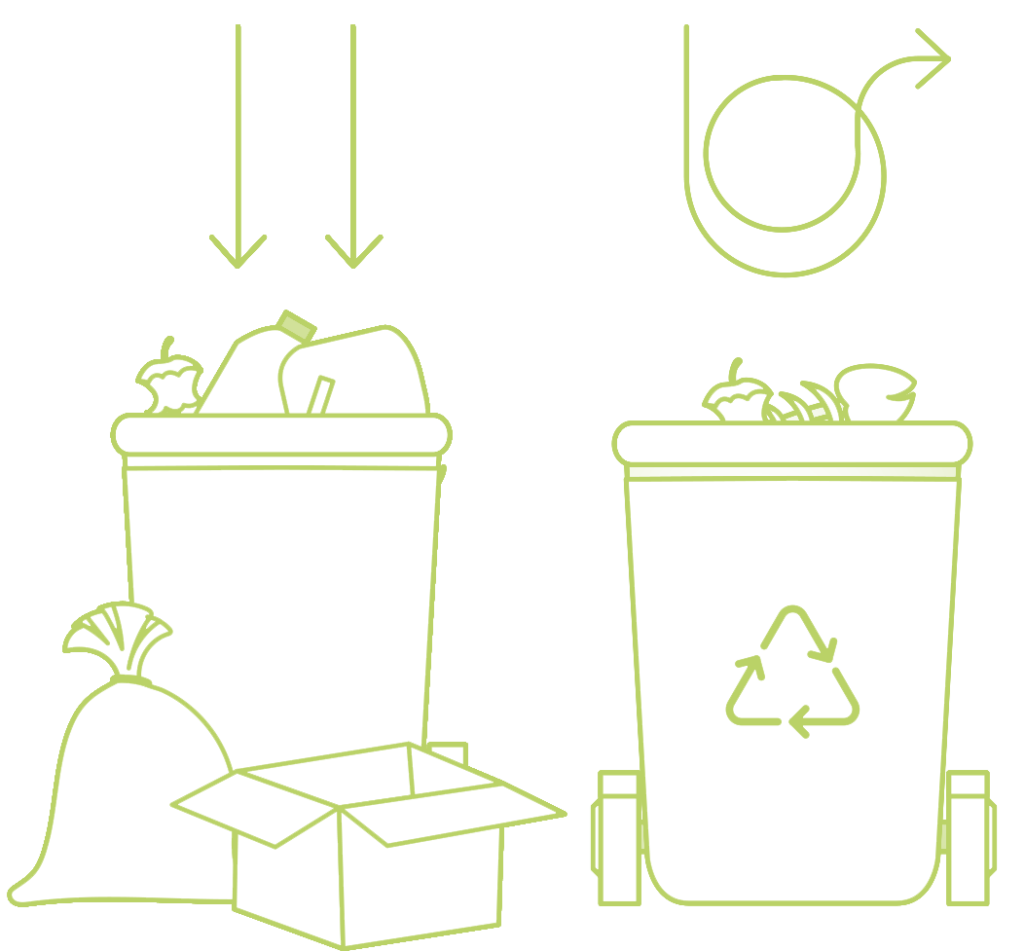
Ilustración de la economía circular: residuos que se separan y se reciclan

Linear Economy vs. Circular Economy

The circular economy aims to produce goods and services while reducing the consumption and waste of raw materials, water, and energy sources. It offers opportunities to create well-being, economic growth, and employment, while at the same time reducing environmental pressures.

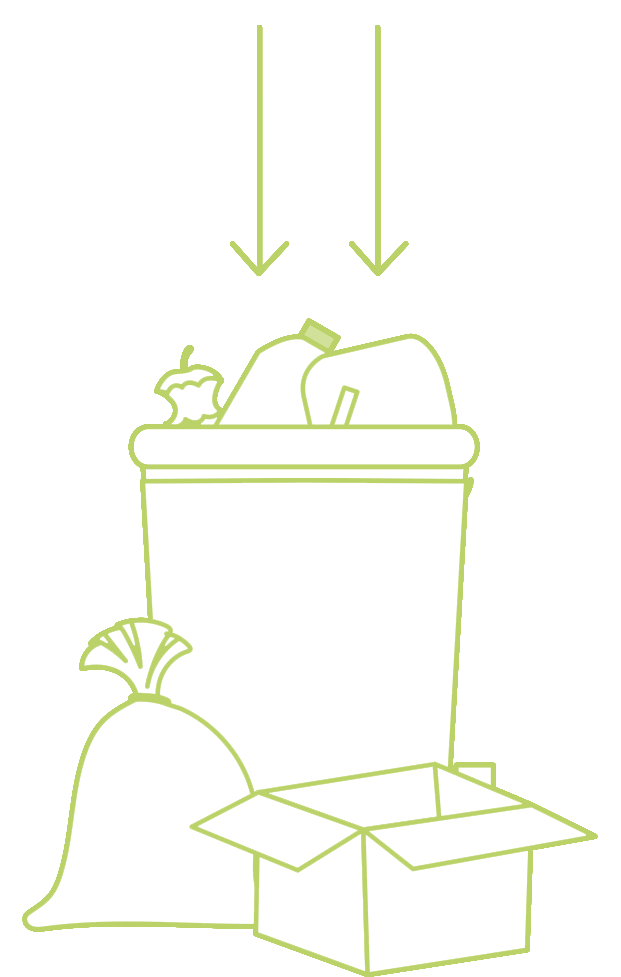
The current linear growth model is based on the concept of “take, make, and dispose” and on the intensive consumption of natural resources. In Europe alone, it has been estimated that 90% of the raw materials used in manufacturing become waste before products even leave the factory, while 80% of manufactured products are discarded within the first six months of use.

Ilustración de la economía lineal: residuos que terminan en la basura

Linear Economy vs. Circular Economy

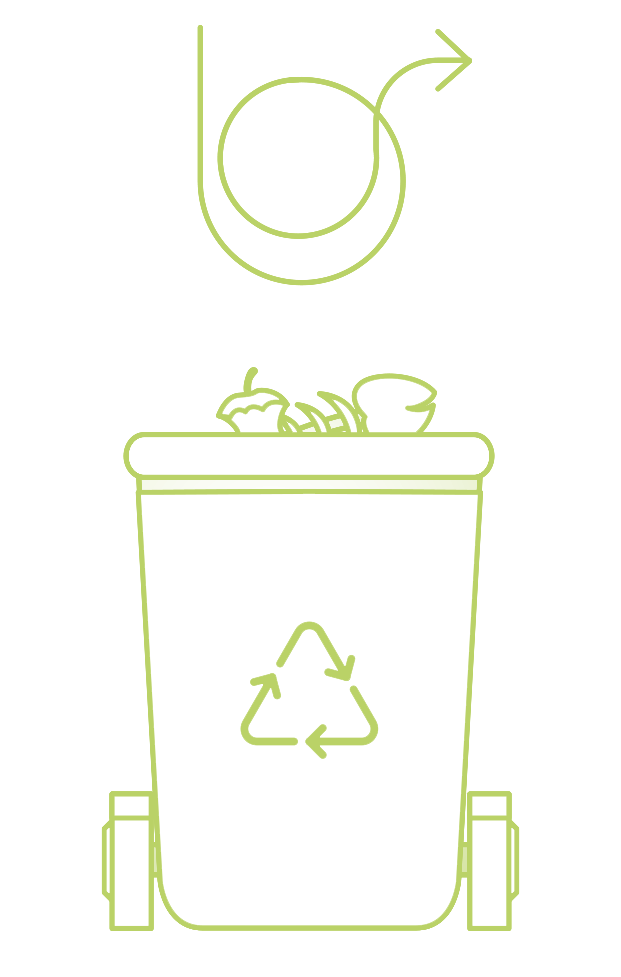
The circular economy aims to produce goods and services while reducing the consumption and waste of raw materials, water, and energy sources. It offers opportunities to create well-being, economic growth, and employment, while at the same time reducing environmental pressures.

The current linear growth model is based on the concept of “take, make, and dispose” and on the intensive consumption of natural resources. In Europe alone, it has been estimated that 90% of the raw materials used in manufacturing become waste before products even leave the factory, while 80% of manufactured products are discarded within the first six months of use.

Ilustración de un contenedor de reciclaje

Why the Circular Economy?

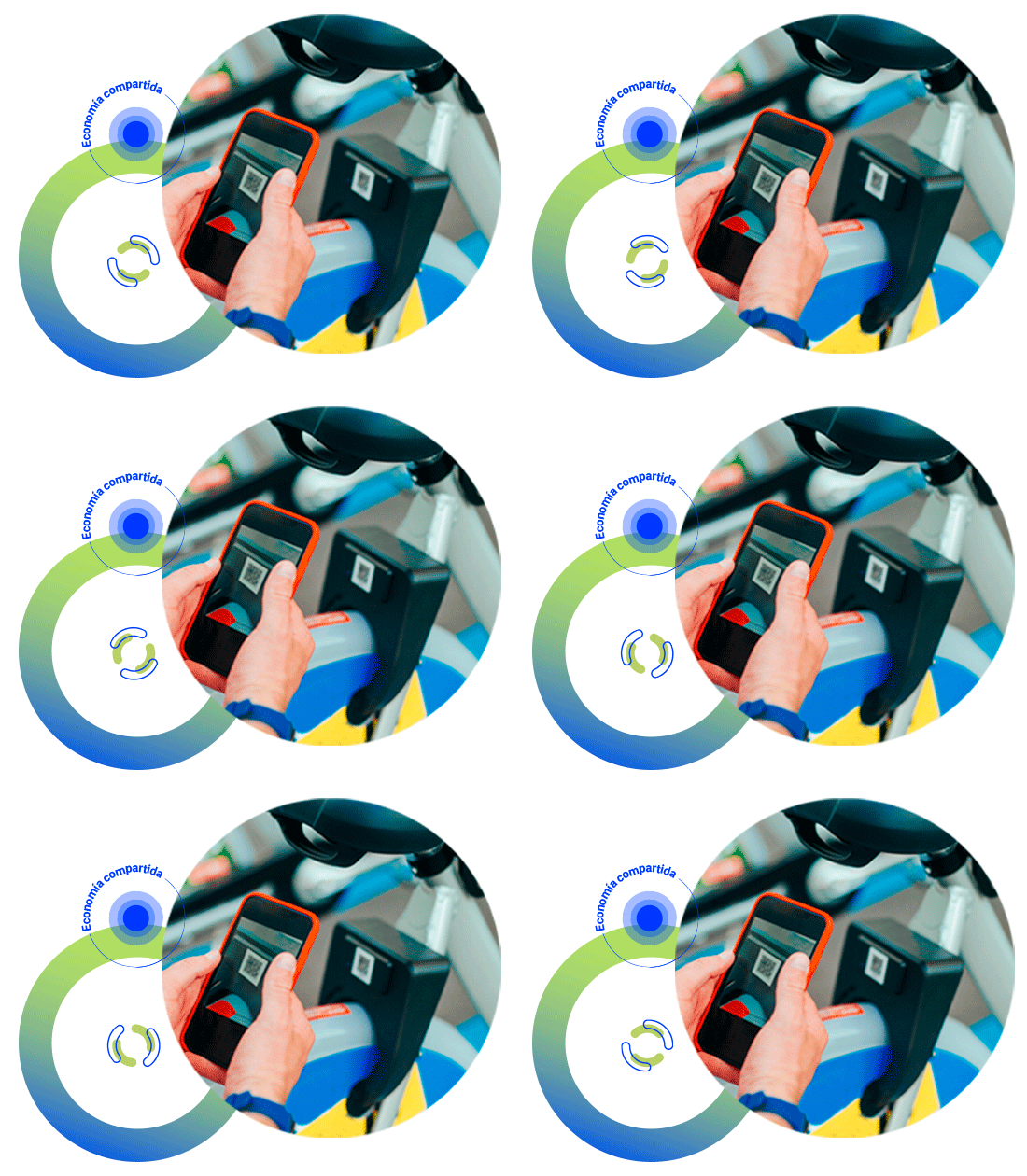
Persona desbloqueando con el móvil una bicicleta compartida, ejemplo de economía compartida
Tres iconos del planeta Tierra

“If the world’s population reaches 9.6 billion by 2050, nearly three planets would be needed to provide the natural resources required to sustain current lifestyles.”

United Nations (UN)

Principles of the Circular Economy

With the circular economy, the goal is to reintegrate, regenerate, and optimize the use of materials, components, and products, while recovering waste either through recycling or by giving it a second life. The circular model is based on a set of principles that address many of the challenges faced by today’s economy regarding resource use and the current economic system.

Número 1

Preserve

Preserve and Enhance Natural Capital by Managing Finite Stocks and Balancing Renewable Resource Flows.
Número 2

Optimize

Optimize Resource Yields by Extending the Lifecycle of Products, Components, and Materials in Both Technical and Biological Cycles.
Número 3

Promote

Promote System Effectiveness through the Development of Innovation and the Elimination of Negative Externalities.

To subscribe to our newsletter, fill in the form below

Imagotipo del CIEC Madrid